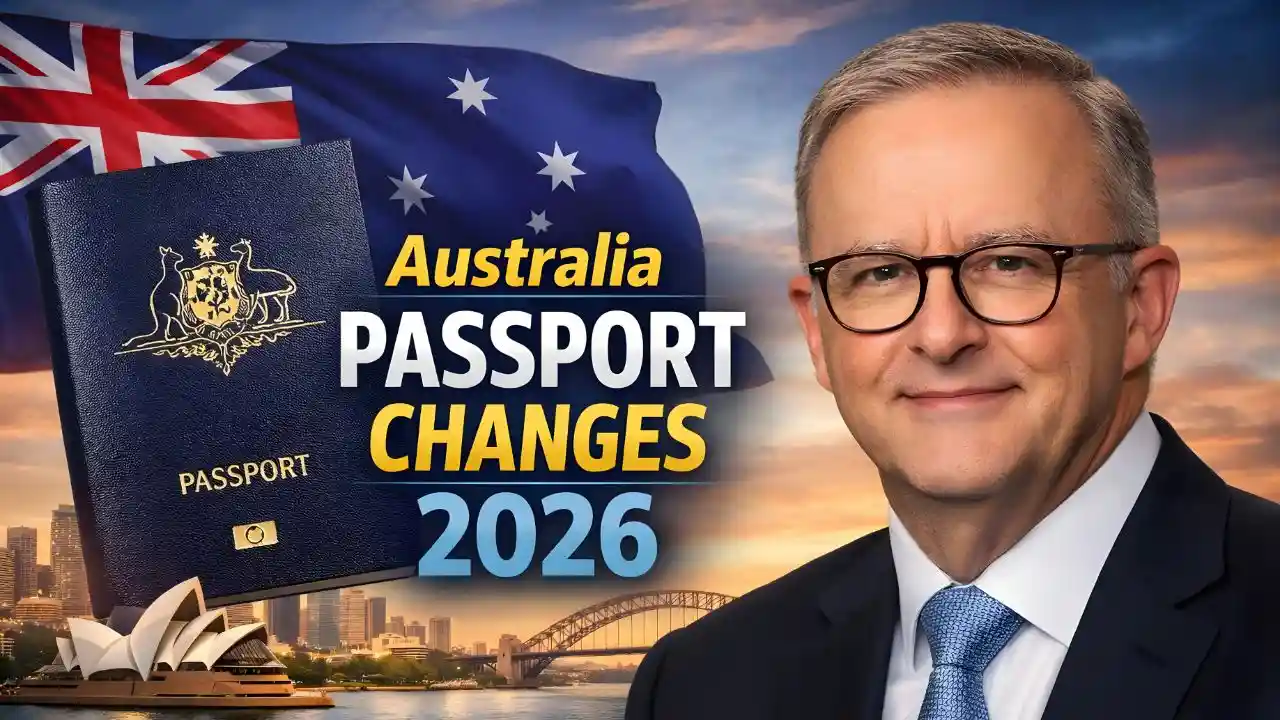
Many older Australians planning to travel internationally in 2026 are encouraged to update their passport and travel requirements. Although there is no “senior” passport rule on its own, there are several critical changes and stricter global travel requirements, which may affect seniors more than others—especially those who travel less often and rely on long-validity documents.
Passport Validity Rules You Can’t Ignore
One of the most important is the six-month validity rule for passports. Many countries will turn away any traveller whose passport will expire within this six-month period. This takes seniors by surprise, especially if they think their passport is acceptable just because it is not expired. Airlines may also refuse boarding if this rule isn’t followed.
Rise in Cost of Passports 2026
From January 2026, passports have gotten more expensive. A standard 10-year passport can now cost about $422, while 5-year passports (often associated with seniors) will cost approximately $213.
These increasing expenses for fixed-income senior citizens could limit accessibility to international travels, along with the cost of insurance and airfare.
Delay in Passport Processing And Applying In Advance
Authorities encourage renewing an expired passport or applying for a passport six weeks or more before the date of travel so as to avoid any delays that may arise.
Delays primarily affect the elderly, who may be planning trips for medical reasons or to meet family-reunification conditions, thereby making the possible departure date automatically contingent on visa processing times.
New International Entrance Regulations in 2026
International travel regulations are getting more stringent and some cases require Australians to comply with country-specific entrance requirements. For example, some countries have new measures like biometric scans, pre-travel authorisations, and digital entry systems. ([The Australian][4])
Moreover, stricter rules may apply in the case of dual citizens, such as Australian people, for instance, entering the UK using the wrong passport being likely to facilitate delay or refusal of entry to the UK. ([9News][5])
Seniors Who Might Suffer Being Affected
Older travellers often:
- Carry a passport that is nearing its expiration date
- Travel less frequently and subsequently miss any updates in regulations
- Plan using printed materials instead of using their mobile phone alarms
All of these factors are likely to increase the chances of having travel disruptions or denied boarding.
What Actions Should Be Taken Before Travelling
Elderly travellers should check the expiration date, related immigration rules and regulation of first country stamps, and make sure they start consideration early to renew this passport before the overseas trip takes place. Also, it is advisable to read the official government travel advice and ensure that the required documents meet contemporary international standards.
Conclusion
While there is no single “new passport rule” for seniors, the combination of stricter global entry requirements, higher costs, and processing timelines means overseas travel in 2026 requires more preparation than ever.